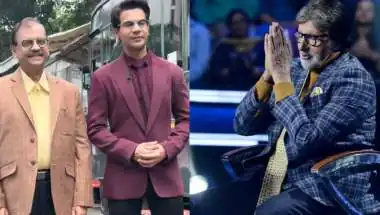
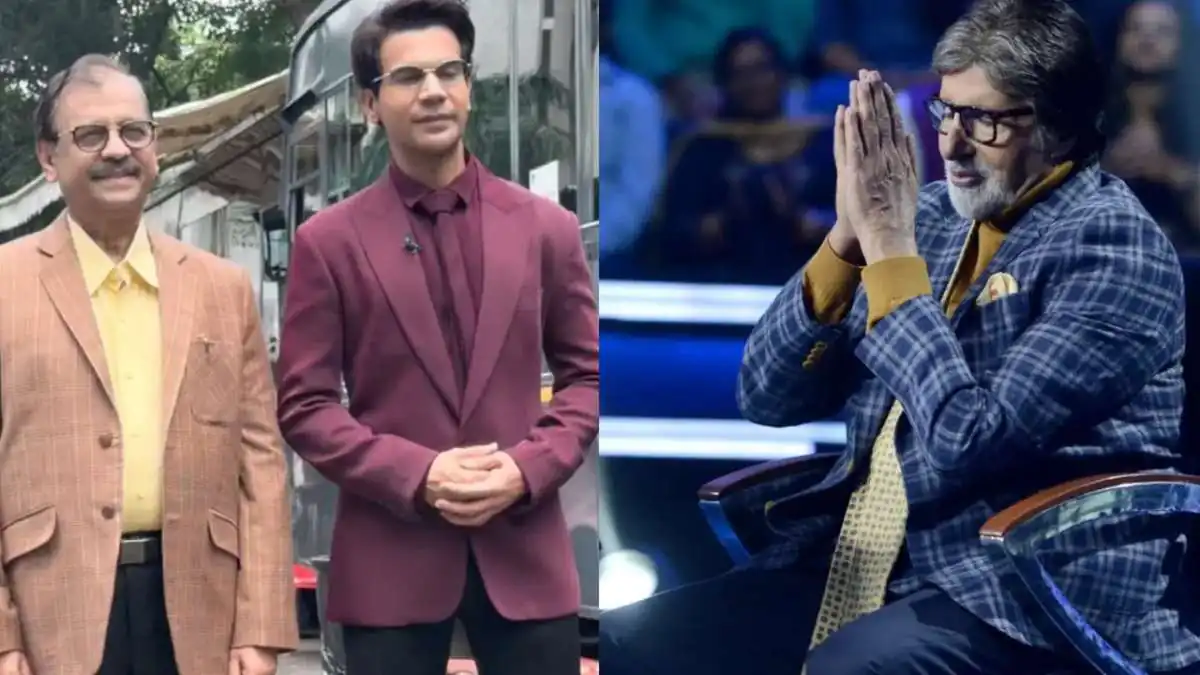
Among the most notable revelations shared on the show, Nikam recounted a claim from his direct interactions with Ajmal Kasab, the sole surviving gunman captured after the 2008 Mumbai attacks. According to Nikam, during proceedings, Kasab had told him that he had specifically come to Mumbai with the intention of meeting Amitabh Bachchan. "You'll be surprised what he said next: 'I had come to see Amitabhji. This really happened,'" Nikam recalled telling the actor on the show.
Bachchan reacted with evident shock to this account, responding, "No, no, sir, if he had come, he wouldn't have left our house. We would have shot him right there." The comment reflected the host's visceral, emotional reaction to a deeply painful chapter in India's recent history, rather than a literal statement of intent.
Explaining the Legal Process
Beyond this particular exchange, Bachchan also questioned Nikam about the broader timeline of the case, specifically asking why it took four years to carry out Kasab's execution following his conviction. In response, Nikam walked through the legal safeguards embedded in India's judicial process, explaining that the law presumes an accused person innocent until proven guilty and guarantees the right to a defense-procedural protections that, while sometimes criticized for causing delays, are foundational to due legal process.
Recalling the Courtroom Battle
Nikam also offered a detailed account of his direct courtroom interactions with Kasab, describing an early, tense exchange of eye contact between the two when Kasab first entered the courtroom. He went on to detail how Kasab attempted to shift blame during the trial, allegedly claiming that an accomplice, referred to as Ismail, had been the one to fire shots, and that he bore no direct responsibility for the attacks.
According to Nikam, the prosecution countered this claim using CCTV footage presented as evidence during the trial, which reportedly showed Kasab's direct involvement during the attack. Nikam further alleged that Kasab attempted another defense strategy, claiming to be a minor in order to be tried under the Juvenile Justice Act-a claim that authorities subsequently investigated through several verification methods, including a bone-density test, to determine his actual age.
A Difficult Legal Journey, Recalled in Detail
Nikam also described a particularly tense moment from later in the legal process, recalling Kasab's video-conference appearance before the Bombay High Court after the trial court had handed down a death sentence, during which Kasab reportedly reacted defiantly toward the camera. Reflecting on the broader arc of the case, Nikam noted that by its conclusion, he observed signs of genuine remorse in Kasab-an observation he described as, in his view, a meaningful form of accountability for the crimes committed.
Why It Matters: Bringing a Landmark Case Back Into Public Conversation
This conversation on KBC serves as more than promotional content for an upcoming film-it offers a rare, direct recounting of one of India's most significant terrorism trials from the perspective of the prosecutor who led it. As "Prahaar" prepares for release, such firsthand reflections help contextualize the legal and emotional complexities involved in prosecuting a case that had immense national significance, while also shedding light on the meticulous evidentiary work involved in securing a conviction of this magnitude.
About 'Prahaar'
Directed by Avinash Arun, known for acclaimed projects like "Three of Us" and "Paatal Lok," "Prahaar - The Untold Story of Ujjwal Nikam" also stars Jaideep Ahlawat and Sikandar Kher in significant roles, alongside Rajkummar Rao's portrayal of Nikam. The film, produced under Maddock Films by Dinesh Vijan, is scheduled to release in theatres on October 16.
What Lies Ahead
As "Prahaar" approaches its theatrical release, appearances like this one on KBC are likely to continue generating public interest in the film, offering audiences a blend of dramatized storytelling and firsthand historical testimony from those directly involved in one of India's most consequential legal battles.