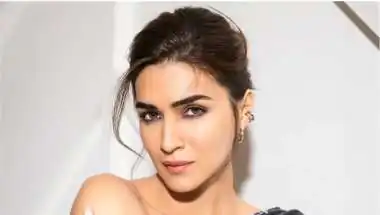
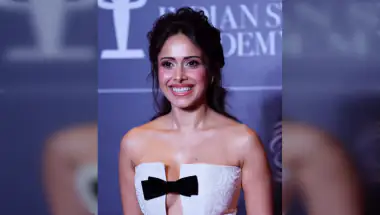
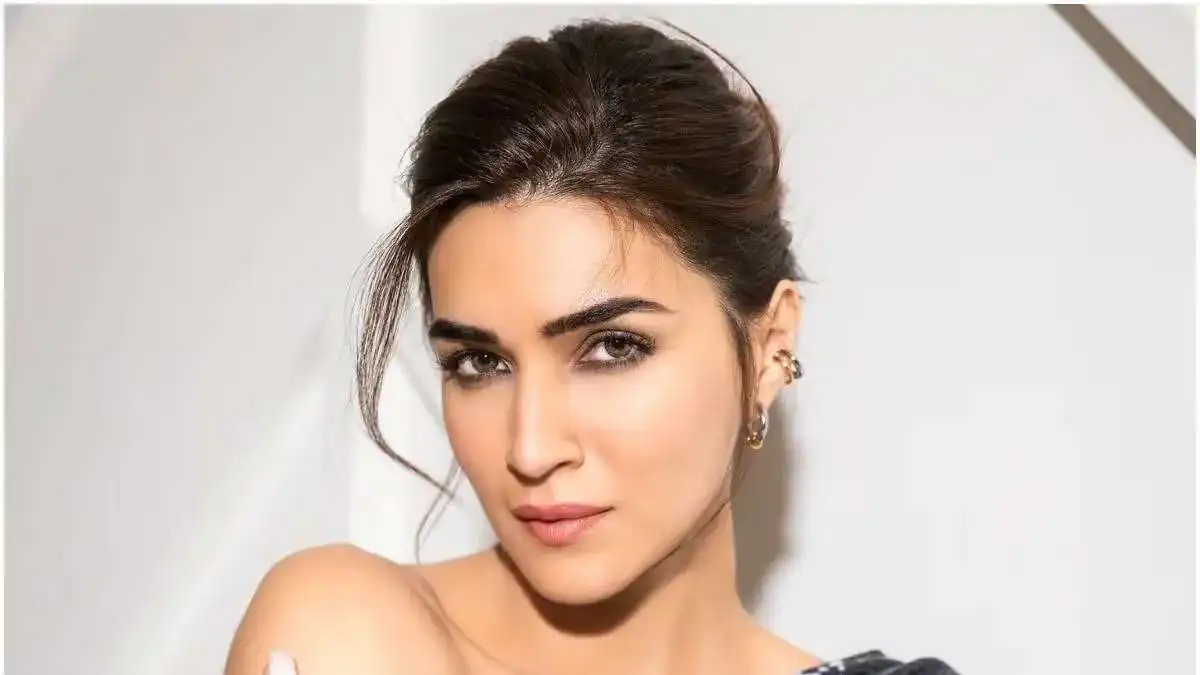
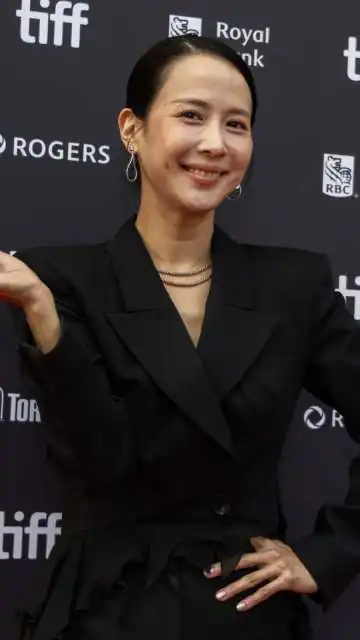
Actress Kriti Sanon has gone to the Delhi High Court seeking protection of her personality rights, to prevent misuse of her name, face, voice and photographs. At the hearing on Friday, October 16, the court noted that such cases are being filed more often and said it was important to understand what protection individuals have under the law.
Justice Purushendra Kumar Kaurav asked Kriti’s lawyer, Praveen Anand, to provide earlier court decisions and research on the subject, and to prepare a detailed note on personality rights. The court wanted to know the scope of those rights, and which elements of a person’s identity can receive legal protection. It also asked whether the High Court’s Intellectual Property Division (IPD) can hear such cases.
Justice Kaurav said the issue needs to be examined thoroughly and not only in the context of Kriti’s case.
Counsel’s Submissions
Anand told the court that personality rights can cover a person’s name, face, voice, photographs and videos. He said the commercial use of a person’s identity without permission is a key aspect of this case. He said he would submit the required documents, including judgments and research papers, and added that there is no jurisdiction issue in Kriti’s case.
What Happens Next
The next hearing is on October 29. After examining the material, the court will consider issuing a detailed order on the issue. No interim order is mentioned in the report.
A Growing Trend
Several well-known figures have recently approached the Delhi High Court on similar grounds, including Kangana Ranaut, Tabu, Vijay Deverakonda, cricketer Abhishek Sharma, Yuvraj Singh, Congress leader Shashi Tharoor and Andhra Pradesh Deputy Chief Minister Pawan Kalyan. The common complaint is that a person’s name, image, video, face or voice is used without permission. The rise of artificial intelligence and social media has made this harder to manage. Deepfakes can show people doing things they never did, and a celebrity’s identity can be used to promote a product or service without consent.
Why It Matters
The court’s decision to look beyond one actor’s case suggests it may set broader guidance on how personality rights are recognised and enforced, including in an era of AI-generated content. That could affect not just celebrities but ordinary people whose images or voices might be misused. The outcome of the October 29 hearing will show how far the court intends to go.