














































India’s development, Inclusion and Environmental Stewardship at UNHRC
New Delhi [India], April 03: The 61st session of the United Nations Human Rights Council (UNHRC), held in Geneva from 23 February to 31 March 2026, took place against a...



New Delhi [India], April 03: The 61st session of the United Nations Human Rights Council (UNHRC), held in Geneva from 23 February to 31 March 2026, took place against a backdrop of escalating global tensions, ongoing armed conflicts, and widening inequalities that continue to strain the international human rights framework. The session brought together representatives from over 100 countries, multilateral organizations, and civil society actors to deliberate on emerging and persistent human rights challenges.
This session was marked by a strong emphasis on the intersectionality of human rights with contemporary global issues. Key thematic priorities included disability rights, children’s rights, minority protection and the integration of human rights into peacebuilding and sustainable development frameworks. Discussions also explored the implications of digital technologies, particularly in safeguarding rights and addressing harmful practices, alongside deliberations on financing sustainable development aligned with economic, social, and cultural rights. Environmental human rights emerged as a central pillar, with growing recognition of the right to a clean, healthy, and sustainable environment. Dialogues underlined the need for stronger governance mechanisms, climate action, and community-led conservation approaches. Simultaneously, the session reflected broader geopolitical concerns, including democratic backsliding, shrinking civic space, and the challenges to international law in a fragmented global order.

Integrated interventions
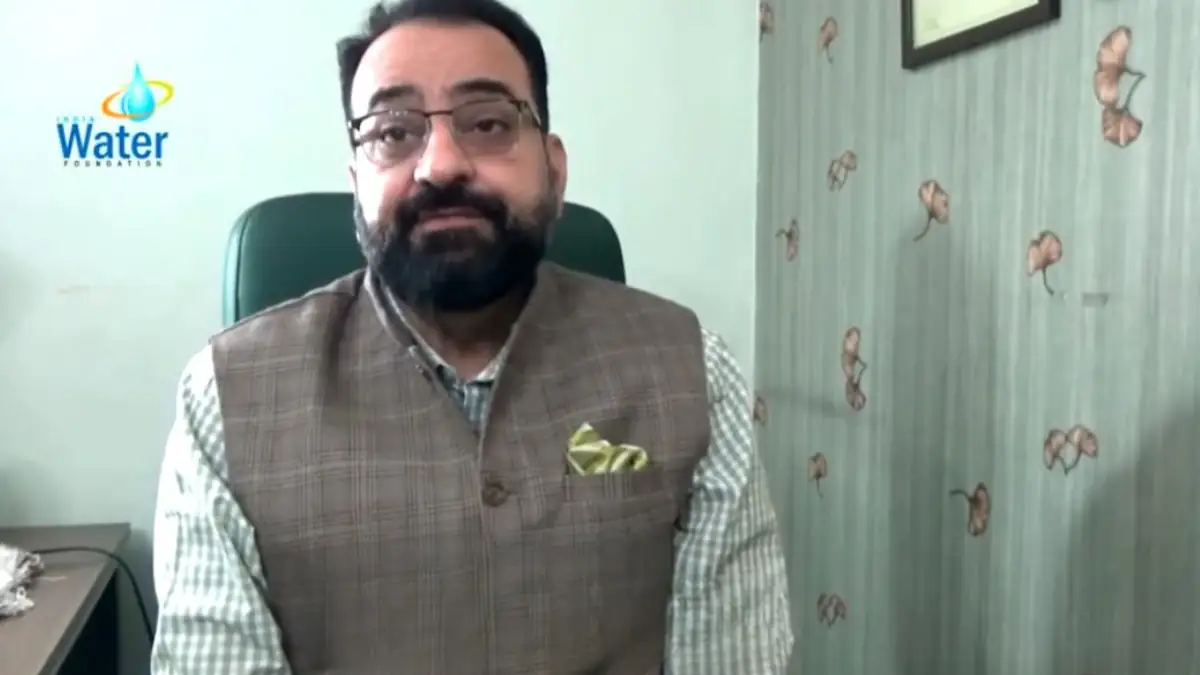
Within this evolving global context, the India Water Foundation (IWF) was given the opportunity to represent its perspectives across five thematic interventions, reflecting a coherent and interwoven approach to rights-based governance. Articulating this perspective, Dr. Arvind Kumar, President, India Water Foundation, brought attention to the evolving dimensions of rights in the digital era, emphasizing privacy as a fundamental right and highlighting India’s legislative progress through the Digital Personal Data Protection Act. He underscored the importance of accountability, lawful data processing, and institutional oversight in building a trusted digital ecosystem that balances innovation and economic growth with the protection of individual dignity.