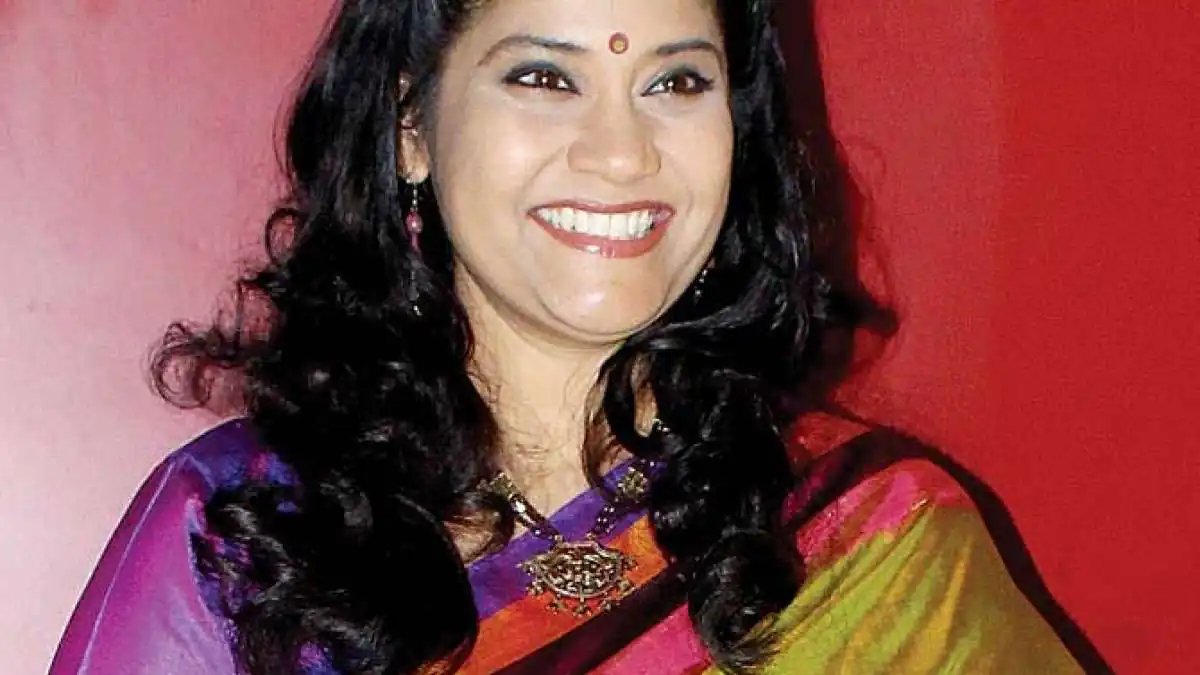























Actress and director Renuka Shahane, who recently returned as Pushpalata in the second season of Amazon Prime Video's web series "Dupahiya," has spoken openly about what she believes makes a good film. For her, the answer begins with credibility. A story that feels believable, she says, is the one that connects with audiences, and that mindset guides how she creates and chooses her work.
According to Renuka, there must be a clear intention behind a film, and the story must stay credible. She says filmmakers should not think about whether a film will win awards while making it. "Do the work, don't worry about the results," she says.

Renuka also warned against shaping a film around assumed audience tastes. In her view, adding songs and action scenes just because the audience might like a particular story can spoil the film, and neither the audience nor the maker ends up happy. She says it is ideal if both are satisfied, but it matters more that the creator remains happy while making the content.
On Gondhal and the Oscars
Renuka, who is active in Marathi cinema, also spoke about the Marathi film "Gondhal," India's official entry for the 99th Oscars. She called it a huge moment for the Marathi industry, saying that attention turns to the industry when such a thing happens. It also increases the enthusiasm, she said, to make films that can reach the Academy Awards and even win an Oscar. She believes this means a great deal to Marathi cinema.
Playing Pushpalata
In "Dupahiya" season 2, Renuka plays Pushpalata, a village head who has never been to school. Asked whether she had to unlearn anything for the role, she said there is no need to forget anything. An actor must have faith in the character, she explained, and must remember while playing Pushpalata that she cannot even sign her name, yet she is in politics.
She described Pushpalata as someone who is always afraid people will take her lightly. Renuka said the role was interesting precisely because it is so far from her own life. She had mostly played urban characters and had never been offered a village woman before, so she was excited, and she is glad the performance was appreciated.
Director vs. Actor: Two Different Processes
Speaking about her choices, Renuka said that as a director she has control over the story and can express what she wants through it. As an actor, the process is different, since she works with what is offered. Even so, she says her choices reflect the kinds of characters and stories that interest her, and her own perspective lies more in what she creates than in what comes to her.
Why It Matters
Her comments arrive at a time when awards buzz, box office pressure and platform trends often influence what gets made. A veteran who works across acting and direction making the case for sincerity over strategy adds a useful voice to that conversation, especially as Marathi cinema gains national attention through Gondhal's Oscar journey.