












































29 Years On, Why Koyla's "Dekha Tujhe Toh" Still Lives On: Alka Yagnik's Voice, Madhuri's Joy and a Love Story Without Words
29 years on, "Dekha Tujhe Toh" from Koyla (1997) remains a favourite. Madhuri Dixit starred, Alka Yagnik and Kumar Sanu sang. Read the song and film story.

M
Music
NEWS CARD

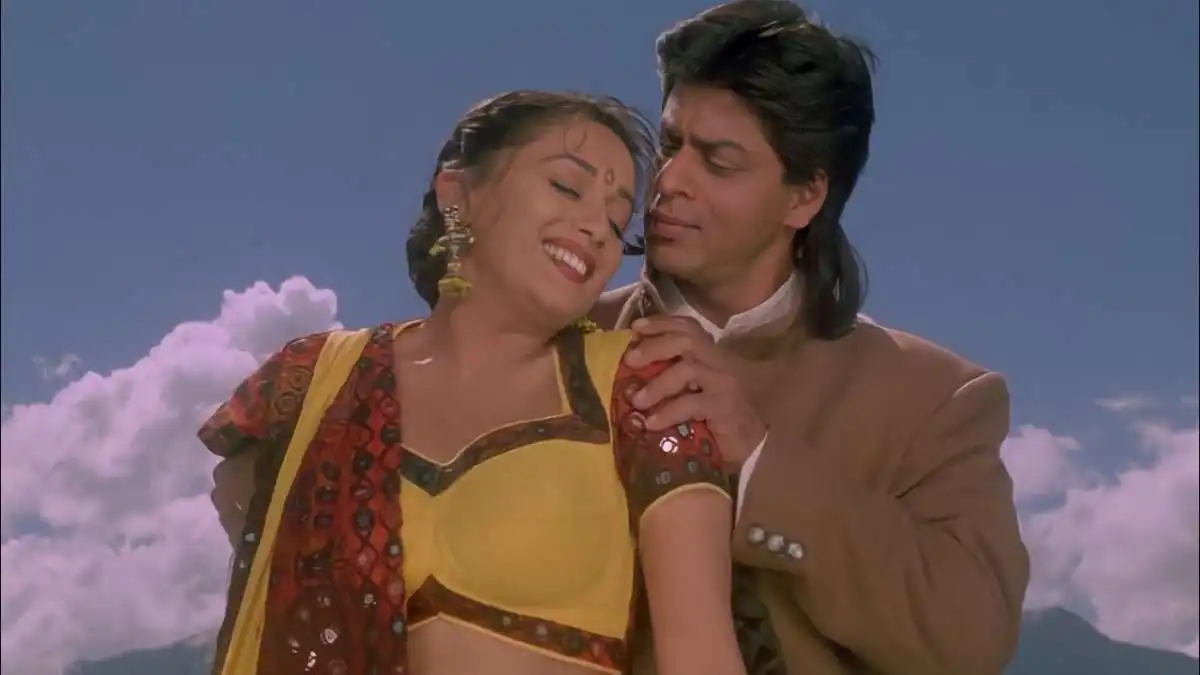
“29 Years On, Why Koyla's "Dekha Tujhe Toh" Still Lives On: Alka Yagnik's Voice, Madhuri's Joy and a Love Story Without Words”

Read more onwww.bollyorbit.com/s/b62798
2 Oct 2026
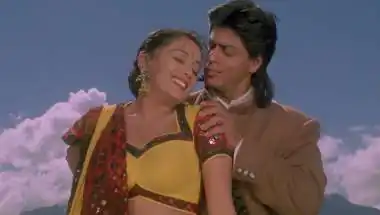
Alka Yagnik has given Indian cinema countless songs, and many remain on music lovers' playlists today. One of the most enduring is "Dekha Tujhe Toh" from the 1997 film Koyla. Nearly three decades after its release, the song, filmed on Madhuri Dixit, is still hummed by people in love.
The Voices and the Makers

Alka Yagnik sang the song, with Kumar Sanu joining her. The lyrics were written by Indeevar, and the music was composed by Rajesh Roshan. In the 1990s, the pairing of Alka and Kumar Sanu was among Hindi film music's most recognisable. That helps explain why a 29-year-old song still sounds familiar to listeners who grew up with it and to younger audiences discovering it now.