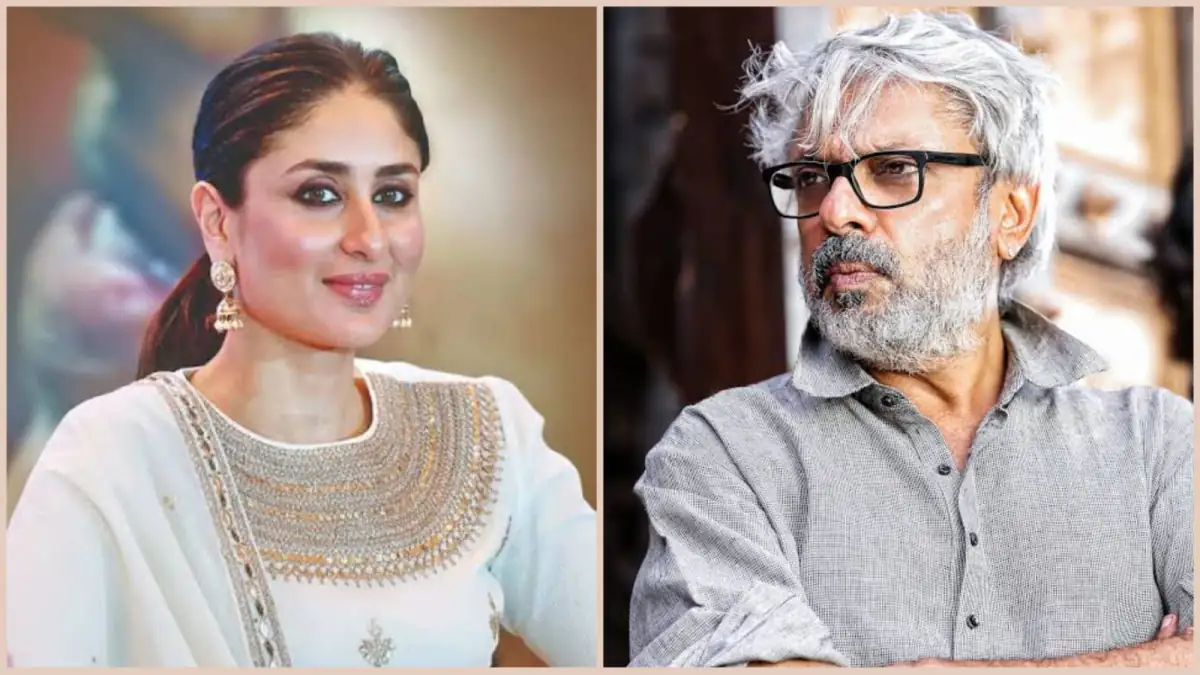
To understand why this sighting has generated so much buzz, it's worth revisiting the origins of the tension between Kareena and Bhansali, which trace back to the making of "Devdas" in 2002. According to reports, Kareena was initially considered for the role of Paro and even underwent a screen test for the part, along with reportedly receiving a signing amount. However, Bhansali ultimately cast Aishwarya Rai Bachchan in the role instead.
Kareena addressed the episode candidly in a 2002 Filmfare interview, stating, "What they did to me was wrong. They screen tested me for 'Devdas' (2002). They paid me a signing amount and then cast someone else. It was wrong, and I felt especially bad because I was at the beginning of my career."
Bhansali, for his part, offered a different account of the events. Speaking to Filmfare in July 2002, he clarified that Kareena had approached him for the role, recalling her visit to his home along with designer Neeta Lulla. He maintained that while she had indeed done a screen test, it was never a guarantee of casting.
Why It Matters: A Long-Awaited Professional Reunion?
The significance of this potential reunion goes beyond typical industry gossip. Bhansali and Kareena represent two significant forces in Hindi cinema-one known for his opulent, emotionally intense filmmaking style, and the other for her versatile, decades-spanning career. A collaboration between them, after nearly 20 years of professional distance stemming from a well-documented casting controversy, would mark a notable moment of resolution in an industry where such rifts often linger unresolved for years, if not permanently.
What Project Could Bring Them Together?
Recent media reports suggest Bhansali is currently developing a mythological jungle-adventure film, with Kareena Kapoor Khan reportedly being considered for a role alongside South Indian star Dhanush. The project is said to be directed by P.S. Mithran, known for his work in Tamil cinema. However, it's important to note that no official confirmation has been issued by Kareena, Bhansali, or the production team regarding casting, plot details, or the project's official status.
Industry Speculation vs. Confirmed Facts
While the visual of Kareena outside Bhansali's office has understandably fueled excitement, it's worth approaching the reunion narrative with measured anticipation until an official announcement is made. Bollywood has seen numerous instances where such sightings precede months of silence before any formal project confirmation-or, in some cases, no confirmation at all.
Kareena's Current Work Commitments
On the professional front, Kareena Kapoor Khan's next confirmed project is the Meghna Gulzar-directed film "Dayara." Any potential Bhansali collaboration, if it materializes, would likely be positioned as a separate, high-profile addition to her already active slate.
What's Next
As fans and industry watchers await further clarity, this sighting has undeniably reignited interest in one of Bollywood's most talked-about professional rifts. Should Kareena officially sign on for Bhansali's next project, it would not only mark a significant career moment for the actress but also serve as a symbolic resolution to a controversy that has quietly lingered in the background of Hindi cinema for over two decades.

























.jpg)