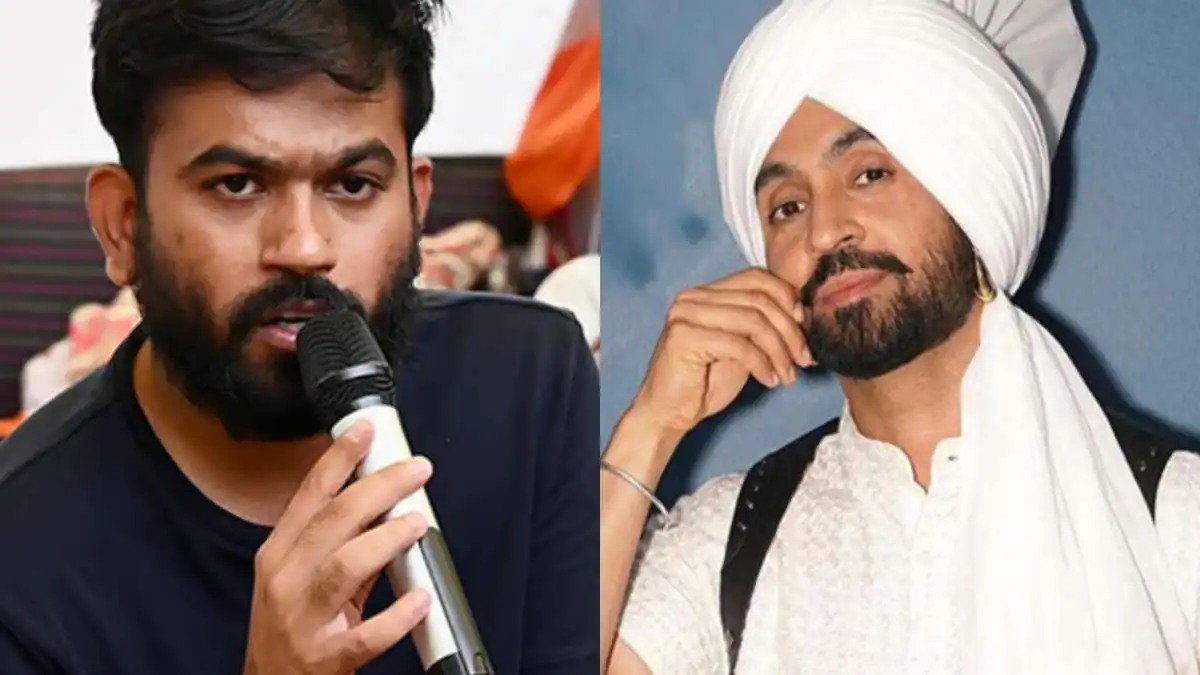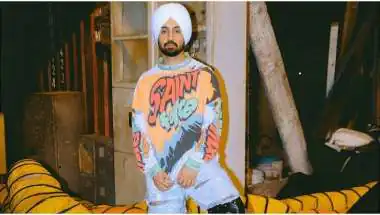























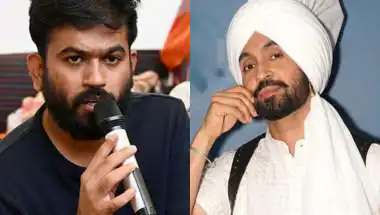
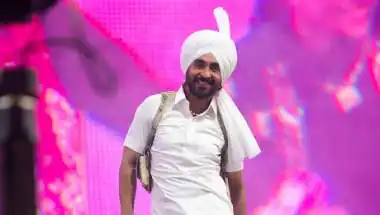
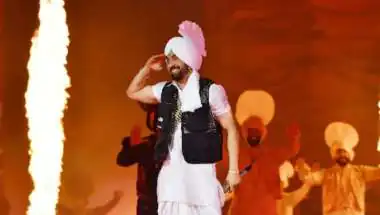

Diljit Dosanjh used a break in his Delhi show to answer critics, turning an online disagreement into a stage moment. He opened his Aura India Tour at Jawaharlal Nehru Stadium on Friday, October 30, and addressed the criticism he faced for staying out of a student protest.
The Cockroach Janta Party (CJP) is a political satire movement founded on May 16, 2026, by political communications strategist Abhijeet Dipke. It is not registered as a political party. It led student protests over the NEET exam leak. During an Instagram Live, a fan asked Diljit about the protests, and he replied that he was just an artist and wanted to be kept out of it.

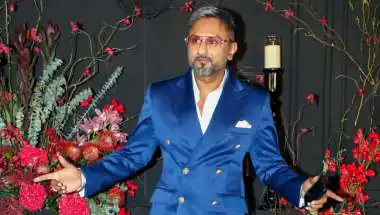
Dipke then criticised him. According to the source text, from the CJP protest stage he said in a sarcastic tone that Diljit had to come, otherwise his films might be banned. This referred to the controversy over Diljit’s film “Satluj,” based on the life of human rights activist Jaswant Singh Khalra.
What Diljit Said
Toward the end of the concert, Diljit referred to the criticism without naming anyone. He said his decision to remain apolitical should not be mistaken for a lack of courage, and told the audience, “Don’t teach Punjabis how to fight battles.” The source text says he added that he loves everyone, and asked to be left alone if he stays silent, while saying he supports the cause. Free Press Journal reports he also said he had been unaware of developments around the protest. freepressjournal
Dipke’s Response
Dipke responded in an Instagram note on Friday night, saying he had not criticised Diljit out of dislike and that he wanted to end the disagreement. According to the source text, he called himself a fan who has attended Diljit’s concerts and praised him for taking Indian culture to a global stage while staying true to his roots. He said the earlier comment hurt him because he holds Diljit in high regard, and that one disagreement does not reduce his respect. He ended by asking Diljit to treat him as a younger brother. newstrack
Earlier Strands
The two had crossed paths before. Dipke earlier criticised the Delhi Police over the initial denial of permission for the concert. Diljit’s concert only went ahead after the police reconsidered, as covered in our earlier reports.
Why It Matters
The episode shows the pressure public figures face when asked to take sides in political protests, and the reverse pressure to be left alone. Supporters of Diljit can point to his work and say artists need not join every movement. Supporters of the CJP can argue that a high-profile artist’s silence carries weight. Neither view is a verdict, and both sides have now signalled a wish to move on.
What Comes Next
Attention turns to Diljit’s next shows and whether the “Satluj” dispute resurfaces. Bolly Orbit will update this report as developments emerge.