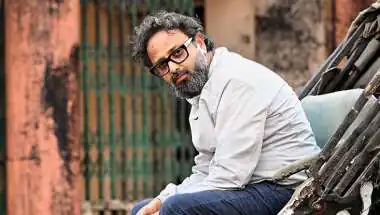
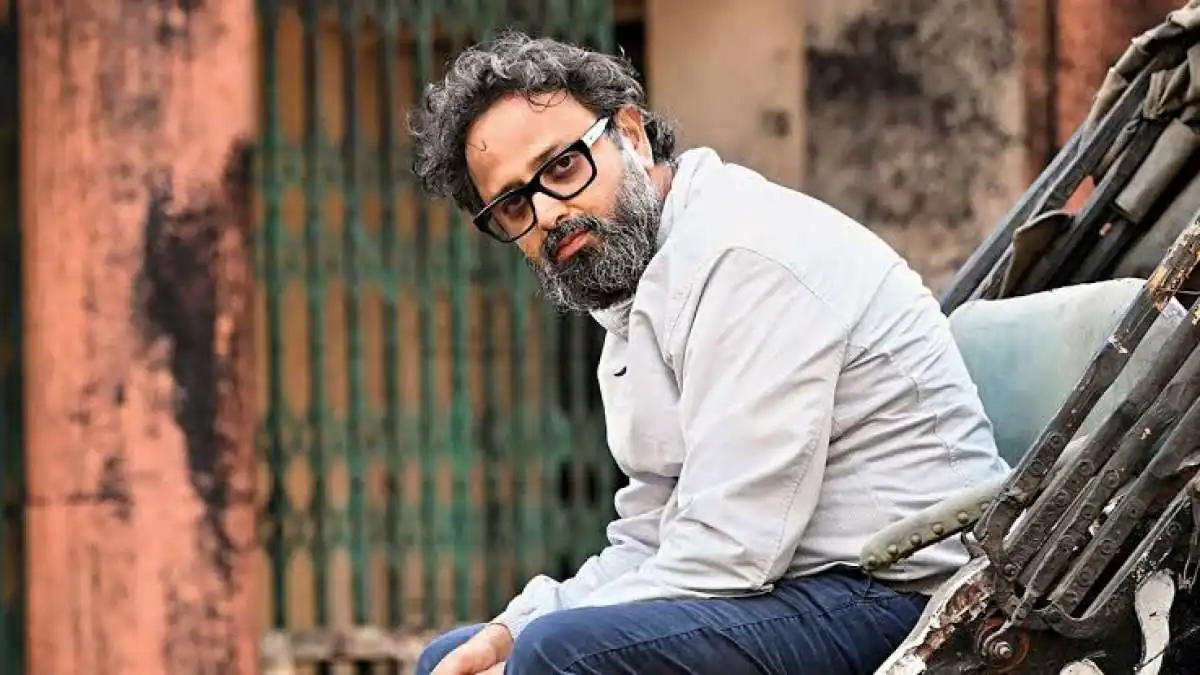
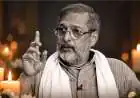
In today’s Bollywood, a new film is usually discussed first in terms of who was paid what and how many crores it might make. Nikhil Advani, director of “Kal Ho Naa Ho,” “Salaam-e-Ishq,” “Patiala House,” “D-Day” and “Batla House,” says he does not like seeing cinema this way. In an interview with Amar Ujala Digital, he argued that the industry has lost sight of what films are for.
Asked what he would change if he could, Advani said he would stop people from judging films by whether they cross 100, 200 or 300 crore. He said those figures do not matter to him. He argued that the industry has begun treating itself as a purely commercial business, whereas, in his words, “Cinema should be artistic.” He added that entertainment is essential, but a film should also move and inspire viewers.
Memories of the Amitabh Era
Advani looked back to his youth, when he would wait outside Mumbai’s Ganga-Jamuna theatre for each Amitabh Bachchan release, with tickets either booked early or bought in the black market. People went because they trusted the star, not because of figures. He said audiences then did not know whether a film would turn into a silver, golden or platinum jubilee, and had no idea of its budget.
By contrast, he said, he now keeps seeing claims about fees for this or that film, and he is not sure how many are true. He wonders why audiences discuss them so much.
Films He Holds Up
To make his case, he named “Kabhi Haan Kabhi Naa,” “Sholay,” “Lagaan” and “Dilwale Dulhania Le Jayenge.” He also recalled receiving letters from young viewers while he worked with Aditya Chopra, which he described as evidence of how films can affect people personally.
The Imtiaz Ali Example
Advani said he has recently seen a similar response to Imtiaz Ali. After “Main Vaapas Aaunga,” he saw videos of people holding the director’s hand, crying and thanking him, and said such a reaction is worth more than 100 or 200 crore.
Why It Matters
The irony is that “Main Vaapas Aaunga” also tells a numbers story. The film opened on June 12 with a modest first day of about ₹1.15 crore, and strong word of mouth then lifted it. Variety India reports a final tally of about ₹73 crore net on a ₹70 crore budget. Advani’s point that feeling can drive a film’s fortunes is supported by that run, but it also shows that audiences, trade analysts and producers keep a close eye on the numbers.
Advani’s argument also lands at a time when the industry is debating inflated star fees and the economics of mid-budget films. Whether his view is a wish or a workable approach for producers who must recover costs is an open question.
What Comes Next
Advani’s latest project, the Prime Video series “The Revolutionaries,” premiered on September 11. Bolly Orbit will follow any response from the producers or actors he referenced.