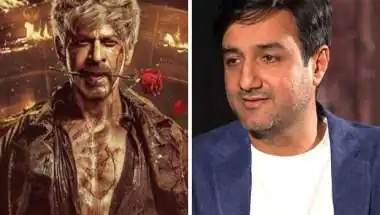
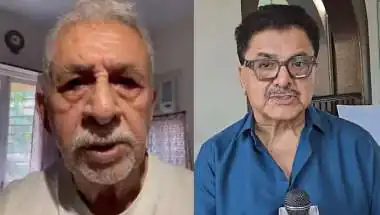
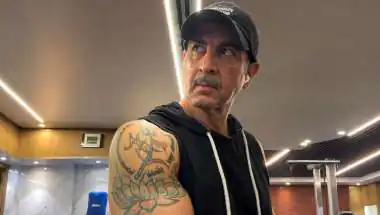
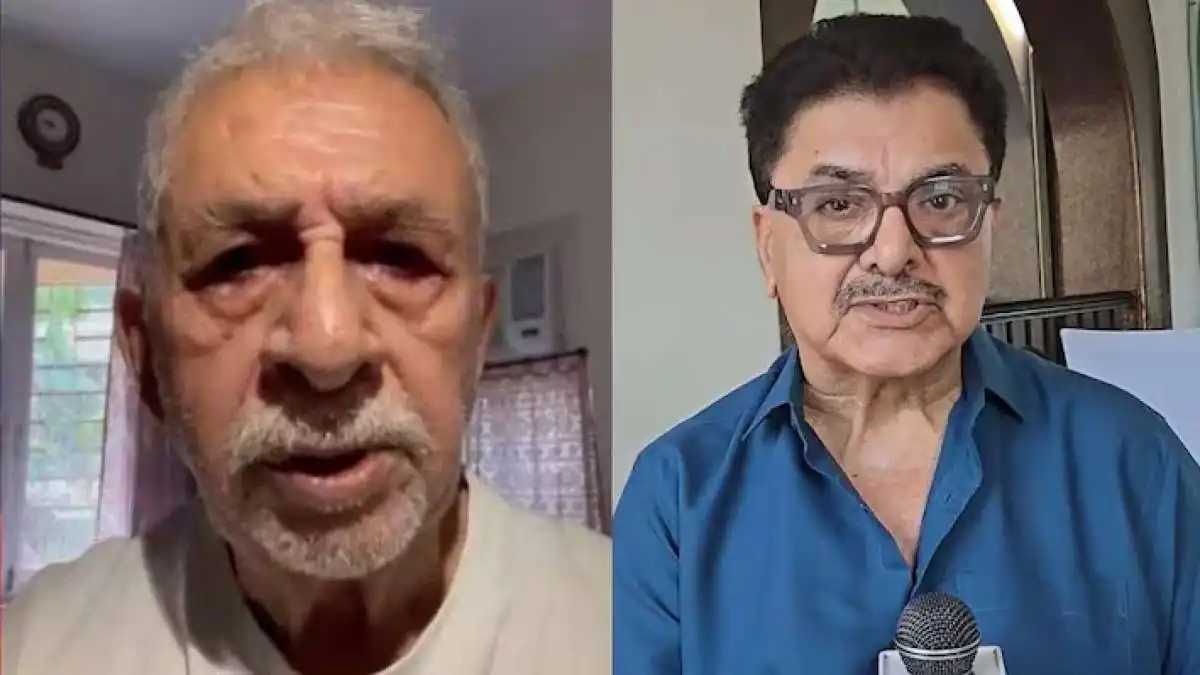
A short video by Naseeruddin Shah has turned into a wider argument involving actors, a filmmaker and a Union minister. Veteran actor Annu Kapoor became the latest to respond, speaking to ANI in Mumbai on October 31.
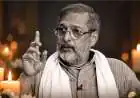
Shah shared a video on Tuesday in which he wore a badge reading “Dimagi Naxal” while backing Delhi’s Jamia Millia Islamia students, who are protesting for the restoration of their students’ union. He said he proudly claimed the label. He also referred to action against students at JNU, the Satyajit Ray Film and Television Institute and Jamia, alleging they had been oppressed and asked to vacate their hostels. These are his claims, and the institutions’ side was not part of the video. Our earlier report covered the SRFTI dispute, where the administration cited hostel overstays and disruption. aninewsaryanage
What Annu Kapoor Said
Kapoor said Shah may be a master of dialogue, but that he doubts how much Shah genuinely thinks about the country’s interests. He added that he objects to those who make such statements, and that it is the democratic system that lets people speak freely and protest. In earlier remarks he said peaceful dissent is a democratic right, but violence and destruction of public property cannot be justified.
Other Reactions
Union Minister Kiren Rijiju said he had thought of Shah as an artist and did not know he held a “Dimagi Naxal” mindset. In a post on X he called him a “dangerous urban Dimagi Naxal.” Ashoke Pandit linked Shah’s conduct to alleged frustration and insecurity, and suggested he consult a psychiatrist. According to the source text, Pandit also said Shah dislikes films such as “The Kashmir Files,” “The Kerala Story” and “Dhurandhar.” Those remarks are Pandit’s opinion about Shah’s motives and mental state, not facts, and Shah has not responded in the reports I found. 'Didn't know that Naseeruddin Shah was having 'dimagi Naxal' mindset': Kiren Rijiju - Public TV English +2
The Terms at Stake
“Naxal” refers to the Maoist insurgency, and “urban Naxal” is a label used by some critics against activists and dissenters. Those who use it say it describes people who sympathise with violent movements. Those who reject it say it is used to smear peaceful critics. By wearing the badge, Shah appears to be mocking the label, not adopting any violent cause. The article takes no side on that dispute.
Why It Matters
The row has moved from a campus demand to an argument over how celebrities may comment on student protests and what language critics may use in reply. Kapoor’s line separates peaceful dissent from violence, and Pandit’s mental-health remark is likely to draw its own objections.
What Comes Next
Attention will turn to whether Shah responds and whether the Jamia dispute gets any resolution from the university. Bolly Orbit will update this report as developments emerge.