



























When Streaming Becomes The Main Character: How The Ba**ds Of Bollywood Boldly Redefined Indian Pop Culture In 2025

Mumbai (Maharashtra) [India], January 3: For decades, Indian pop culture followed a familiar hierarchy. Films reigned supreme, television followed obediently, and web series were the new kid allowed to sit at the table—politely, conditionally, and only after the elders finished speaking.
In 2025, that seating arrangement collapsed.
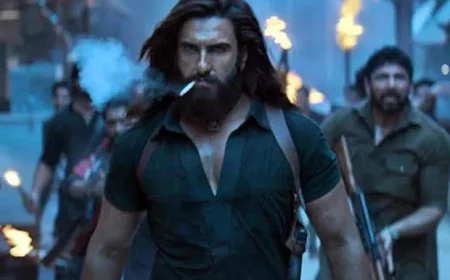
When The Ba**ds of Bollywood emerged as the most-popular Indian streaming show of the year on IMDb, it didn’t just top a list. It signalled a recalibration of cultural power—one where audience obsession, not box office collections, dictates relevance.
No firecrackers. No industry-wide announcements. Just numbers quietly telling the truth.
Want to get your story featured as above? click here!
Want to get your story featured as above? click here!
This isn’t a story about one successful show. It’s about how popularity itself has changed definition—and how streaming series are now shaping Indian pop culture with the confidence films once monopolised.
The Metric That Matters More Than Money
IMDb popularity rankings don’t measure revenue. They measure attention. Searches. Engagement. Conversations. The things people voluntarily think about when no one is selling them tickets.
That’s what makes The Ba**ds of Bollywood’s position unsettling—and impressive.
In a year crowded with theatrical releases, star-driven spectacles, and marketing-heavy launches, a web series dominated the metric that tracks cultural curiosity in real time.
Not nostalgia. Not legacy. Not opening weekend hysteria.
Sustained interest.
The Backstory: Why This Show Hit A Nerve
The show arrived at a moment when audiences were quietly exhausted.
Exhausted of:
-
Predictable star vehicles
-
Sanitised industry self-mythology
-
Three-hour films that say less than a sharp episode
The Ba**ds of Bollywood leaned into discomfort instead. It didn’t flatter the industry—it dissected it. Ambition, hypocrisy, desperation, survival instincts—nothing was sacred, and everything felt recognisable.
For viewers raised on behind-the-scenes gossip and algorithm-fed honesty, the tone landed perfectly. Cynical, self-aware, occasionally indulgent—and unafraid of showing the machinery behind the glamour.
It wasn’t polite storytelling. It was honest storytelling with a smirk.
Why Streaming Series Are Winning The Cultural Race
Streaming doesn’t just release content—it releases time. Time to breathe, argue, rewatch, meme, critique, and attach identity to stories.
Unlike films, which peak and vanish, web series operate on a different rhythm:
-
Longer cultural half-life
-
Episodic emotional investment
-
Social media amplification per episode
-
Characters who grow alongside viewers
In 2025, this mattered more than scale.
Audiences didn’t want louder. They wanted closer.
The Popularity Paradox
Here’s the delicious irony.
A show critiquing Bollywood culture became one of the most discussed cultural products of the year—without being a film.
That success exposes an uncomfortable truth: popularity today isn’t manufactured solely by budgets or stars. It’s earned through resonance, relevance, and repeat engagement.
Streaming platforms understand this. Films, increasingly, pretend not to.
The Numbers That Quietly Changed The Conversation
While exact production budgets remain undisclosed, industry estimates place high-profile Indian streaming series in 2025 anywhere between ₹60–120 crore, depending on scale, cast, and production value.
That’s not “small screen” money.
The difference? Returns aren’t judged by opening day chaos, but by:
-
Viewer retention
-
Global discoverability
-
Platform stickiness
-
Cultural footprint
IMDb rankings reflect this shift. They don’t reward noise. They reward obsession.

The Positive Ripple Effects
Let’s give credit where it’s due.
Pros of This Shift:
-
Writers gain narrative authority over star power
-
Actors explore layered roles without box-office pressure
-
Audiences discover stories beyond opening weekend hype
-
Indian content travels better globally
Streaming series like The Ba**ds of Bollywood prove that intelligent cynicism has an audience—and a large one.
The Shadows Lurking Behind Popularity
But let’s not romanticise everything.
Cons Worth Noting:
-
Popularity metrics can incentivise controversy over craft
-
Algorithm-friendly storytelling risks sameness
-
Smaller creators may still be drowned out
-
Films risk being reduced to event-only spectacles
There’s also the danger of streaming platforms mistaking discussion for depth. Not every viral show is meaningful. Not every ranking reflects artistic longevity.
Popularity is powerful—but it’s also fickle.
What This Means For Films (And Their Ego)
Cinema isn’t dying. But its cultural monopoly is.
Films still deliver scale, spectacle, and collective experience. What they increasingly lack is ongoing conversation. A film dominates for weeks. A series occupies minds for months.
The success of The Ba**ds of Bollywood underscores that pop culture in 2025 is no longer decided by Friday collections—it’s decided by Monday debates.
Why 2025 Felt Different
This year marked a psychological shift.
Audiences stopped asking:
“Is this a big release?”
They started asking:
“Is this worth my time?”
Streaming series answered that question better—and more consistently—than many films did.
Latest Industry Murmurs
Insiders suggest platforms are now prioritising popularity longevity metrics over raw view counts. Casting strategies are evolving. Writers’ rooms are expanding. And film studios are quietly studying why certain shows linger in public consciousness while films evaporate.
No official panic. Just recalibration.
Final Thought: Popularity Is The New Prestige
In 2025, prestige didn’t arrive wrapped in red carpet exclusivity. It arrived through repeated engagement, relentless discussion, and stories people refused to drop.
The Ba**ds of Bollywood didn’t just top a list—it reflected a generation choosing depth over dazzle, continuity over spectacle, and stories that talk back.
Streaming didn’t steal cinema’s crown.
It simply changed what the crown is made of.