



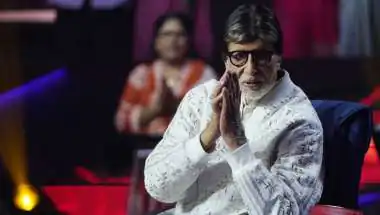



















Most actors in their eighties would be sleeping by midnight. Amitabh Bachchan, it seems, is working on his next rap verse.
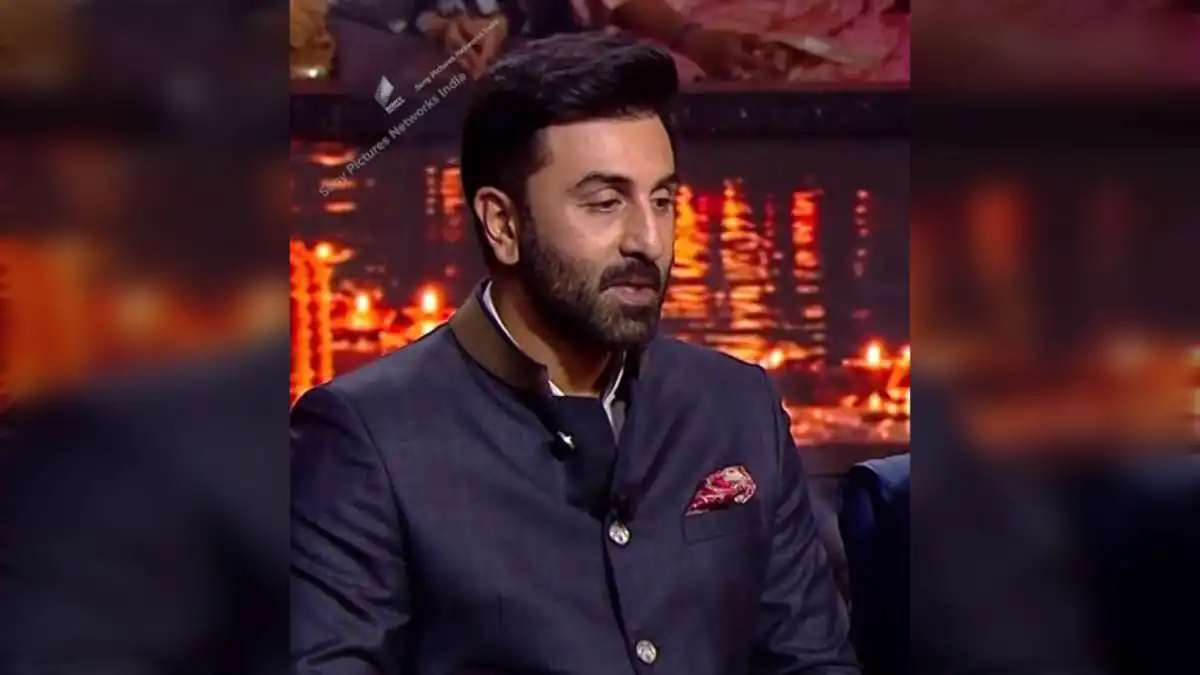
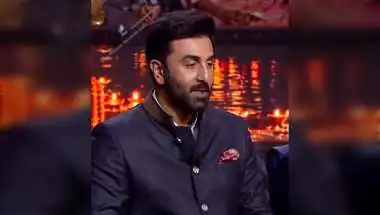
"Bachchan sahab ke ghar mein ek recording studio hai. Woh raat-raat bhar rap aur bhajan record karte hain, lekin kabhi release nahi karte," Ranbir said. (Amitabh Bachchan has a recording studio at home. He records raps and bhajans all night, but never releases them.)

Raps and bhajans are an unusual mix. One belongs to street culture and fast rhythm, the other to devotion and calm. That Bachchan moves between the two in his private sessions shows a musical curiosity that has stayed with him for decades.
Big B's Self-Deprecating Comeback
Bachchan answered the way he usually does on the KBC stage, with a joke at his own expense.
"Par woh gaane layak ho toh na… ek woh yantra sa aata hai na jisme idhar se gaana gao besura, udhar sur mein nikalta hai.." he said. (But only if those songs are worth listening to! There's this device, you know, where you sing off-key on one end, and it comes out perfectly in tune on the other.)
He was referring to pitch-correction technology, the studio tool widely used in modern music production. The line drew laughs, but it also said something about the man. Even with more than five decades in cinema behind him, he is still happy to play down his own talent.
A Voice That Built Its Own Legacy
The modesty hides a strong record. Bachchan's singing career began with 'Mere Paas Aao' from Mr Natwarlal in 1979. More songs followed that are still played at weddings, Holi parties and on late-night radio.
'Rang Barse' and 'Neela Aasman So Gaya' from Silsila, 'Mere Angne Mein' from Laawaris, 'Jahan Chaar Yaar' from Sharaabi, 'Main Yahan Tu Wahan' from Baghban, 'Ekla Cholo Re' from Kahaani and 'Piddly Si Baatein' from Shamitabh all carry his voice. In later years he also sang 'Hori Khele Raghuveera' from Baghban and 'Rozana Jiye' from Nishabd.
'Rang Barse' in particular has become close to a cultural institution. It is hard to picture a Holi celebration in North India without it, more than four decades after its release.
Bachchan's on-screen musical identity also had a second voice. Playback singer Sudesh Bhosle sang many songs picturised on the actor, and his voice became so closely linked with Bachchan that audiences often treated the two as one.
What makes Ranbir's revelation stand out is the contrast. Bachchan is one of the most watched and talked-about figures in Indian public life, yet he has a creative space that stays entirely private. The recordings are not made for an audience, an album or streaming numbers. He seems to make them simply for the love of it.
For fans, it is a reminder that the man behind the baritone is still experimenting. Whether those midnight tracks ever come out is up to him.
With inputs from IANS