


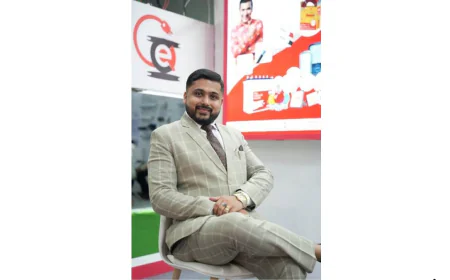




































Hirav Mehta on the News Revolution: From Print Pages to Instant Notifications
Media expert Hirav Mehta discusses the radical transformation of news consumption, highlighting the shift from traditional newspapers to instant digital notifications.


Key Highlights
- Hirav Mehta emphasizes the profound shift from print to digital platforms for news.
- Instant access and personalized content are now primary drivers of consumption.
- The digital landscape presents both opportunities and significant challenges, including misinformation.
The landscape of news consumption has undergone a seismic shift, moving dramatically from the rustle of morning newspapers to the persistent chime of digital notifications. This profound transformation is a topic that media expert Hirav Mehta has extensively weighed in on, offering insights into how audiences now engage with current events.
Mehta points to a fundamental change in reader expectations. Where once the daily paper dictated the news cycle, today’s consumers demand immediacy and accessibility. News is no longer a scheduled event but a continuous stream, delivered directly to devices, often before a story can even fully develop.
This transition isn't merely about the medium; it's about a complete re-evaluation of how information is processed and disseminated. Mehta notes that the digital era has democratized news, making it available to anyone with an internet connection, anywhere, anytime. This unparalleled reach, however, comes with its own set of complexities.
The Ascent of Digital Platforms
The decline of traditional print media, a trend observed globally, directly correlates with the explosive growth of online news portals, social media, and dedicated news applications. Mehta explains that these platforms offer not just speed but also a level of personalization unimaginable in the print era. Algorithms now tailor news feeds based on individual preferences, creating bespoke information environments for users.
This shift to digital also means that news now competes not only with other news sources but with an entire ecosystem of digital content, from streaming services to viral videos. The battle for attention is fiercer than ever. For instance, the discussion around digital content consumption often extends to how entertainment platforms like OTT influence viewing habits, much like the buzz generated by performances as seen with Kiku Sharda’s commanding presence in 'Rise and Fall’s Golden Debut'.
Challenges in the Notification Age
While the immediacy of digital news is a boon, it also presents significant challenges. Hirav Mehta stresses the critical issue of misinformation and disinformation, which can spread rapidly across social platforms. The speed of sharing often outpaces fact-checking, leading to a volatile information environment. The phenomenon of viral content, sometimes based on unverified or manipulated material, is a constant concern. We've seen how quickly public opinion can react to digitally altered content, as was evident when Shefali Bagga reacted to a viral AI image, highlighting the blurred lines between reality and digital fabrication.
The role of curation and responsible journalism, therefore, becomes even more paramount. Media organizations are now tasked with not just reporting but also verifying and contextualizing news for an audience inundated with fragmented information.
The Future of News Engagement
Looking ahead, Mehta predicts a continued evolution in how news is consumed. He anticipates further integration of immersive technologies, more sophisticated personalization, and a renewed focus on community-driven content. The challenge for news organizations will be to adapt to these technological shifts while maintaining journalistic integrity and building trust with their audiences.
The journey from print pages to instant notifications is far from over. It is a dynamic process shaped by technology, audience behavior, and the ever-present need for reliable information in a fast-paced world. Follow Bolly Orbit News to stay ahead with breaking news.