



















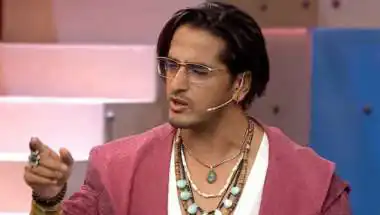






















Arjun Bijlani Calls for Respect, Better Planning on TV Sets
Arjun Bijlani speaks candidly about delayed payments and long waiting hours on sets, urging better planning and timely payments to improve the working environment for actors.

Television actor Arjun Bijlani, currently entertaining audiences as a participant in the popular cooking-reality show Laughter Chefs – Unlimited Entertainment, has opened up about two persistent challenges that many actors face on television sets: prolonged idle waiting times and delays in receiving payments. In a recent conversation, Bijlani shared his views with refreshing candor, emphasizing that simple changes in planning, mutual respect, and professional accountability could significantly improve working conditions for everyone involved in the industry.
One of the most common frustrations, according to Bijlani, is the practice of calling actors to the set early in the day only for them to wait hours—sometimes the entire day—before their scene is shot. He pointed out that this not only wastes valuable personal time but also drains energy and focus. “If an actor isn’t needed right away, there’s no reason to make them sit around for hours,” he said, suggesting a more practical approach: call performers roughly one to one-and-a-half hours before their actual shot is required. Such scheduling, he believes, would allow actors to manage their day more effectively and arrive fresh for their performance.

Bijlani acknowledged that actors are generally willing to extend their working hours when there is a genuine emergency or creative necessity. However, the situation becomes difficult when someone reports in the morning, waits through the day, completes a full 12-hour shift, and is then asked to stay back for a short remaining scene. Better advance planning and clear communication about the day’s schedule, he argued, could prevent such last-minute extensions and reduce unnecessary stress on the set.

The second issue Bijlani addressed is the frequent delay in actor payments—a concern that affects financial stability for performers who, like anyone else, have families and regular responsibilities. He noted that many work on credit cycles, making timely disbursements essential. To bring more discipline to the process, he proposed including clear penalty clauses in contracts for late payments, creating accountability on both sides and ensuring that financial commitments are honored promptly.
Importantly, Bijlani was careful not to generalize his criticism. He highlighted that several production houses maintain high standards of professionalism and punctuality. He specifically praised Studio LSD, led by producer Prateek Sharma, and Balaji Telefilms, headed by Ekta Kapoor. During his time working on Pyaar Ka Pehla Adhyay – Shiv Shakti (produced by Studio LSD) and Naagin (produced by Balaji Telefilms), Bijlani experienced smooth workflows and received payments exactly on schedule. These positive examples, he said, demonstrate that disciplined practices are both possible and beneficial.
Want to get your story featured as above? click here!
Through his comments, Arjun Bijlani delivered a straightforward yet powerful message: respect for people’s time, thoughtful planning, and consistent professionalism can transform the atmosphere on television sets. When actors feel valued, they naturally bring greater commitment and creativity to their work. Conversely, unnecessary delays and financial uncertainty create avoidable tension that affects the entire team.
As someone who has spent years navigating the demands of daily soaps, reality formats, and long-running shows, Bijlani’s perspective carries the weight of real experience. His willingness to speak openly—while also crediting the producers who get it right—offers a balanced and constructive take on an ongoing conversation in the television industry. In an environment where long hours and tight budgets are the norm, small but intentional changes in respect and organization could go a long way toward making the workplace healthier and more productive for actors and crew alike.